
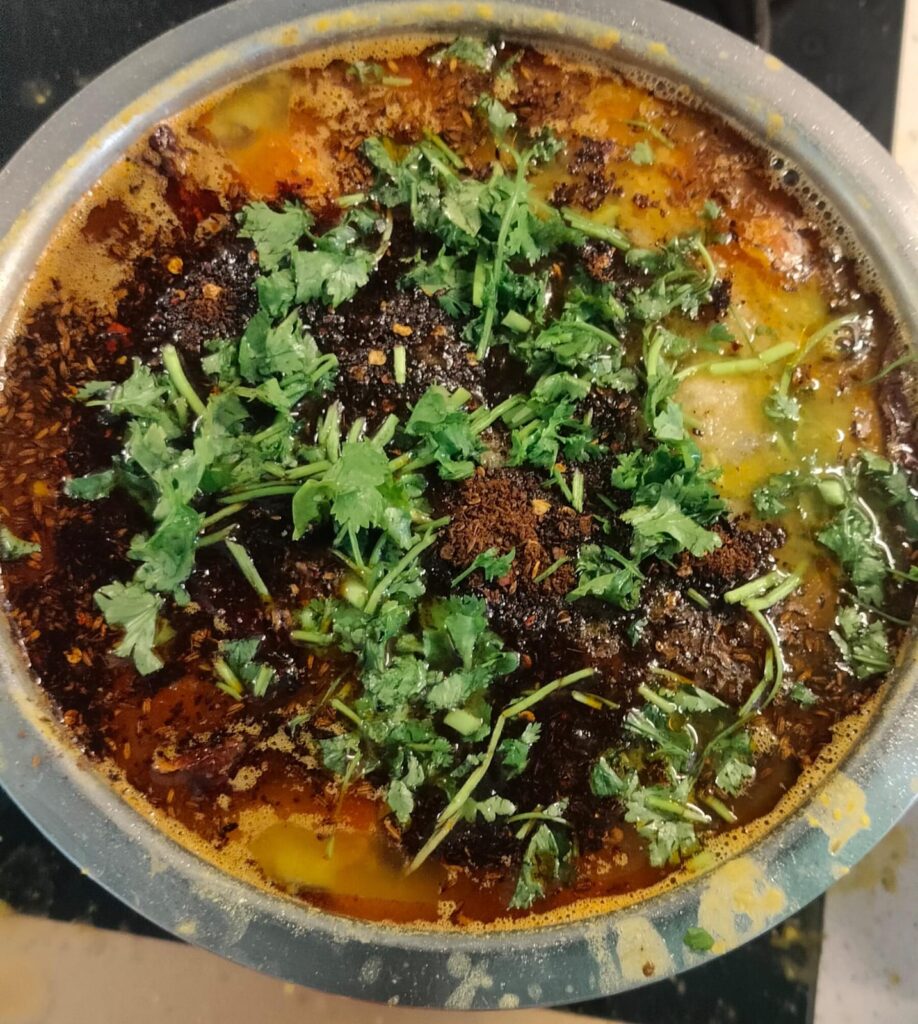
When it comes to Odisha’s rich and diverse culinary heritage, few dishes embody simplicity, nutrition, and spirituality as beautifully as dalma. This humble yet flavorful preparation is not just a staple in Odia households—it is a dish deeply rooted in tradition, temple culture, and everyday life. Made with lentils, vegetables, and mild spices, dalma represents the essence of wholesome Indian cooking.
In this detailed blog, we explore the origins, cultural importance, ingredients, preparation methods, variations, health benefits, and why dalma continues to be a timeless favorite.
What is Dalma?
Dalma is a traditional Odia dish made by cooking lentils (usually toor dal or moong dal) with a variety of vegetables and lightly seasoned with spices. Unlike many Indian curries, dalma does not rely heavily on oil or strong मसाला (spices). Instead, it highlights the natural flavors of its ingredients.
The result is a comforting, nutritious dish that is typically served with steamed rice, making it a complete and balanced meal.
Historical & Cultural Significance
Dalma is more than just a home-cooked dish—it has a sacred connection to Odisha’s temple traditions, especially the famous Jagannath Temple.
- Dalma is an integral part of the temple’s Mahaprasad (holy offering)
- It is prepared without onion and garlic, following the satvik cooking principles
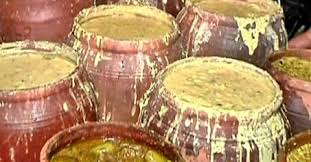
- The cooking method used in temples involves earthen pots and wood fire, enhancing the flavor
This spiritual association gives Dalma a unique identity—it is food that nourishes both the body and the soul.
The Philosophy Behind Dalma
Dalma reflects the core philosophy of Odia cuisine:
- Simplicity over complexity
- Nutrition over indulgence
- Seasonal and local ingredients
- Minimal use of oil and spices
It proves that a dish doesn’t need to be rich or heavy to be delicious. The balance of dal and vegetables makes it both satisfying and healthy.
Key Ingredients of Dalma
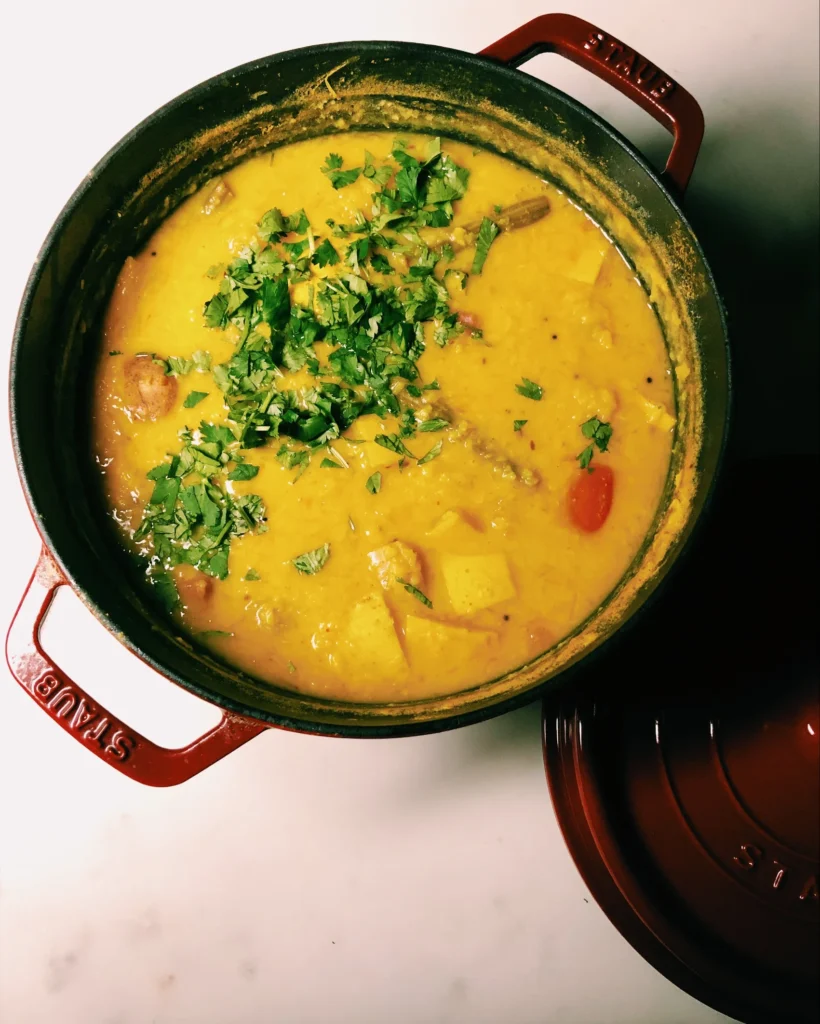
The beauty of Dalma lies in its simple, wholesome ingredients:
Lentils (Dal)
- Toor dal (arhar dal) is most commonly used
- Moong dal is also popular for a lighter version
Vegetables
A mix of seasonal vegetables adds texture and nutrition:
- Raw banana
- Pumpkin
- Papaya
- Eggplant
- Potato
- Drumsticks (moringa)
Spices
Dalma uses minimal but aromatic spices:
- Cumin seeds
- Dry red chilies
- Bay leaf
- Ginger
Special Touch: Roasted Cumin-Chili Powder
A signature element of dalma is freshly roasted and ground cumin and red chili powder sprinkled at the end for aroma.
Traditional Cooking Method
Cooking dalma the traditional way is a slow and mindful process:
- Wash and Cook Dal: Lentils are boiled until soft
- Add Vegetables: Chopped vegetables are added and cooked together
- Seasoning: Turmeric, salt, and bay leaf are added
- Tempering (Tadka): Cumin seeds and dry red chilies are tempered in ghee
- Final Flavoring: Roasted cumin-chili powder is added for a smoky finish
The result is a thick, hearty dish with a natural, earthy flavor.
Temple-Style Dalma
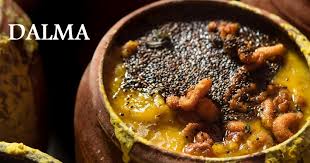
The version served at the Jagannath Temple is unique:
- Cooked in clay pots stacked over a wood fire, Chula
- No onion, garlic, or commercial मसाला
- Uses desi ghee for flavor
- Prepared in large quantities as part of Mahaprasad
- uses grated Ginger and lastly grated coconut
The taste is incredibly pure and deeply satisfying, often described as divine.
Regional & Household Variations
Like any traditional dish, dalma has variations across Odisha:
1. Vegetable-Rich Dalma
Loaded with multiple vegetables for a festive meal
2. Simple Daily Dalma
Minimal ingredients for everyday cooking
3. Sweet Dalma
A slight hint of sweetness from pumpkin or jaggery
4. Festival Dalma
Enhanced with ghee and special spices
Each household has its own version, making dalma a deeply personal dish.
Nutritional Benefits of Dalma
Dalma is a powerhouse of nutrition:
- High Protein: Lentils provide essential protein
- Rich in Fiber: Vegetables aid digestion
- Low in Fat: Minimal oil makes it heart-friendly
- Vitamins & Minerals: Packed with nutrients from vegetables
- Balanced Meal: Combines carbs, protein, and fiber
It’s an ideal dish for those seeking healthy, home-style food.
Why Dalma is Perfect for Modern Lifestyles
In today’s fast-paced world, Dalma fits perfectly:
- Easy to prepare
- Uses everyday ingredients
- Budget-friendly
- Suitable for vegetarian and vegan diets
- Great for meal prep
It’s comfort food that aligns with modern health-conscious living.
Serving Suggestions
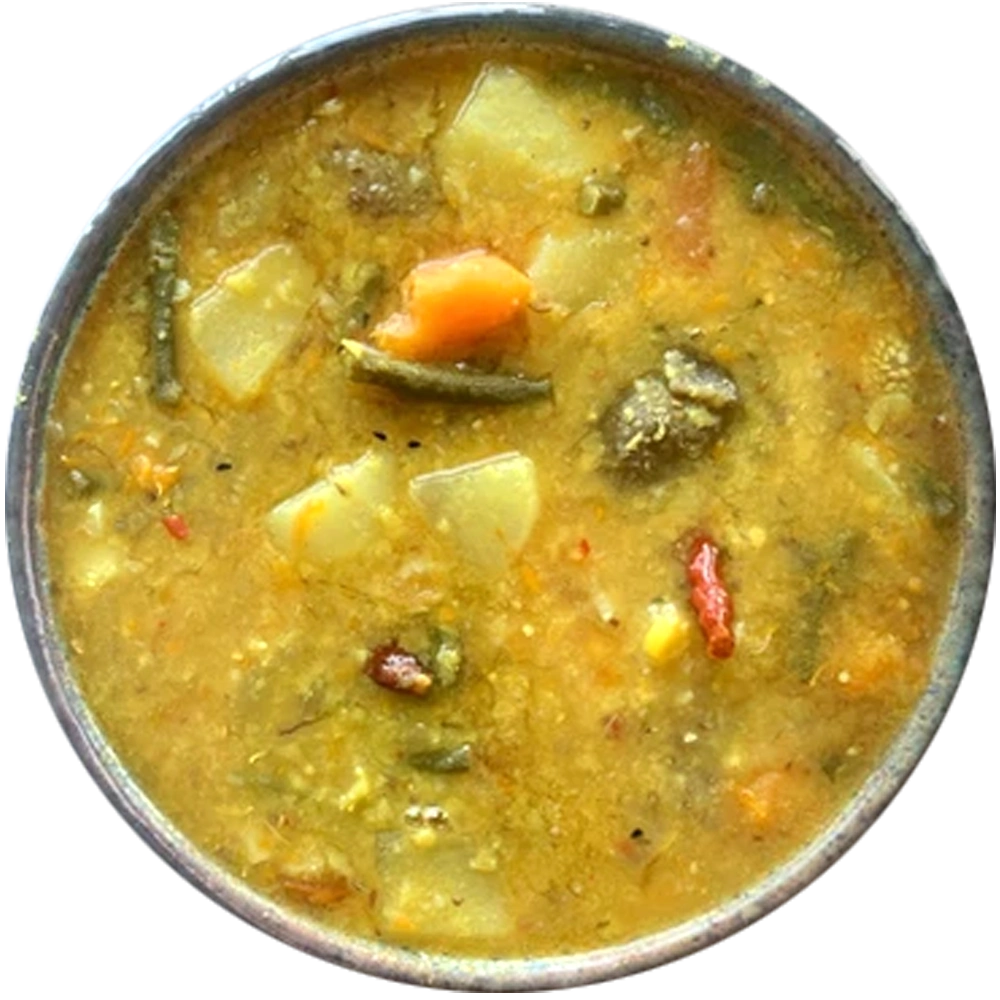
Dalma is best enjoyed with:
- Steamed rice
- A drizzle of ghee
- Side of pickle or chutney
- Papad for crunch
The combination creates a wholesome and satisfying meal.
Common Mistakes to Avoid
To make perfect dalma, avoid these mistakes:
- Overcooking vegetables (they should hold their shape)
- Using too many spices (overpowers the natural taste)
- Skipping roasted cumin powder (essential for flavor)
- Not balancing dal and vegetables
Keeping it simple is the key.
Dalma vs Other Indian Dal Dishes
What makes dalma unique compared to other dal dishes?
- No heavy मसाला or cream
- Combines dal and vegetables in one dish
- Mild, earthy flavor profile
- Strong cultural and religious connection
It stands apart as a dish that is both nourishing and spiritual.
Dalma in Odia Culture & Everyday Life
Dalma is not just reserved for festivals—it is a daily staple:
- Cooked in homes across Odisha
- Served in community feasts
- Offered in temples
- Loved by all age groups
It represents the essence of Odia hospitality and simplicity.
The Global Appeal of Dalma
As Indian cuisine gains global recognition, dalma is being appreciated for:
- Its health benefits
- Clean and simple ingredients
- Vegan-friendly nature
- Authentic regional flavor
It has the potential to become a global comfort food.
Conclusion
The traditional charm of Dalma lies in its simplicity, nutrition, and cultural depth. It is a dish that beautifully blends taste with tradition, offering a wholesome experience in every bite.
From the sacred kitchens of the Jagannath Temple to everyday homes, dalma continues to nourish generations with its comforting flavors.
In a world of complex recipes and fast food, dalma reminds us that true culinary magic often lies in simplicity. So the next time you crave something healthy, traditional, and satisfying, a bowl of dalma might be exactly what you need. 🍲✨