
Ah! Now we’re talking about the ultimate Odisha street food combo—Dahibara Aloodum. Let’s go deep and make this a full, detailed overview.
Odisha’s Famous Dahibara Aloodum
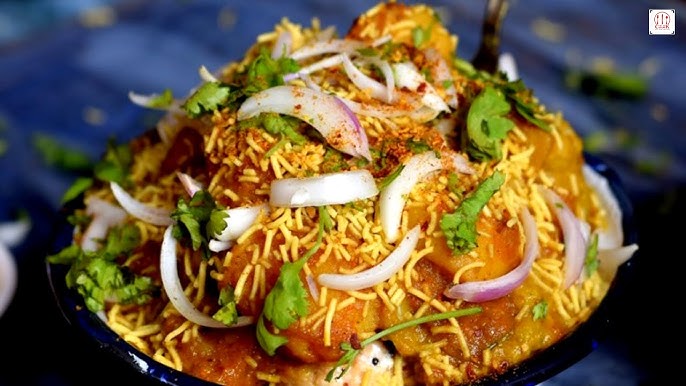
Dahibara Aloodum is arguably the most iconic street food pairing in Odisha, especially in cities like Bhubaneswar, Cuttack, and Puri. It’s not just a snack; it’s a culinary experience that combines the soft, tangy goodness of Dahibara (yogurt-soaked lentil dumplings) with the spicy, hearty flavors of Aloodum (a potato-based curry).
1. What Makes Dahibara Aloodum Unique

- Dahibara
- Absolutely! Let’s do a full, in-depth expansion of “Dahibara”—covering everything from its origin, ingredients, preparation, cultural significance, variations, and why it’s so special in Odisha. I’ll make it detailed and structured so it reads like a mini-article.
Dahibara: Odisha’s Iconic Snack
Dahibara, also known as Dahi Bara, is one of the most famous and beloved street foods of Odisha, especially popular in Bhubaneswar, Cuttack, and Puri. It is a dish that combines soft, spongy lentil dumplings with creamy, tangy yogurt, often served with chutneys, spices, and sometimes accompaniments like Aloodum (spicy potato curry). While similar versions exist in other parts of India, Odisha’s Dahibara is unique due to its taste, texture, and the special local condiments used.
1. History and Origin
Dahibara has a long-standing presence in Odia culinary culture.
Its exact origin is not precisely documented, but it is believed to have evolved from the traditional Dahi Vada found in Northern India.
In Odisha, it gained a distinct identity through the incorporation of local spices, chutneys, and the Aloodum accompaniment, making it richer and more flavorful.
Dahibara became popular as a street food in temple towns and market areas, where pilgrims and locals could enjoy it as a light snack or a festive treat.
It has also become closely associated with temple culture, especially near the Jagannath Temple in Puri, where it is sold as a snack for devotees during festivals.
2. Ingredients
The beauty of Dahibara lies in its simplicity and freshness of ingredients:
For the Bara (lentil dumplings):
Urad dal (split black gram) – soaked and ground into a smooth batter.
Salt ,mango ginger,green chilliy and coriander leaves.
For the Dahi (yogurt sauce):
Fresh yogurt – whisked until smooth.
Optional additions: Salt,roasted cumin & chilly powder and coriander leaves for flavor balance.
Garnishes and toppings:
Green chilly
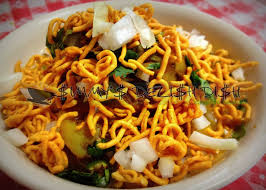
Onion - sev
Fresh coriander leaves
Sometimes pomegranate seeds for extra flavor
Optional accompaniment: - Aloodum
- Aloodum – a spicy potato curry that complements the mild, creamy taste of Dahibara.
3. Preparation
The preparation of Dahibara requires skill, as it is all about texture and flavor balance:
Soaking and Grinding: Urad dal is soaked for several hours and ground into a smooth batter.
Shaping and Frying: The batter is shaped into small balls or dumplings and deep-fried until golden brown.
Soaking in Water: The fried dumplings are soaked in water to make them soft and spongy.
Soaking in Yogurt: Softened dumplings are then soaked in whisked yogurt, sometimes for 3 to 4 hours , allowing them to absorb the tangy flavor.
Adding Tadka: Heat oil then put some mustard seeds,dried red chilly then some curry leaves let them splutter then add into the soaked Dahibara. - Garnishes: Before serving, spices, and garnishes are added for flavor and texture.
The perfect Dahibara is soft but holds its shape, tangy but not sour, and has a delicate balance of textures.
4. Cultural Significance
Dahibara is more than just a snack—it is a part of Odisha’s street-food heritage:
Consumed by people of all ages, it is a popular breakfast, evening snack, or festival treat.
It is particularly associated with temple festivals and pilgrim towns, where it is sold in large quantities.
Many Dahibara stalls in Odisha have been running for decades, with recipes passed down through generations.
Dahibara reflects Odisha’s culinary philosophy: balancing taste, texture, and freshness to create food that is flavorful yet light.
5. Variations
While the classic Dahibara is lentil dumplings in yogurt, several variations exist:
Dahibara Aloodum: Served with spicy potato curry (most popular).
Spicy Dahibara: Additional roasted chilly powder or green chutney for heat.
Sweet Dahibara: Slightly sweeter yogurt or added jaggery syrup.
Festival-style Dahibara: Garnished extravagantly with sev, pomegranate, or fried onions.
These variations allow the dish to adapt to different tastes and occasions, making it extremely versatile.
6. Famous Dahibara Spots in Odisha
Some of the most popular places to enjoy authentic Dahibara include:
Bhubaneswar:
Shree Mithai & Dahibara, Bapuji Nagar
Dalma Restaurant, Master Canteen
Cuttack:
Anand Vihar Dahibara
Gopalpur Dahibara Stall
Puri:
Raja’s Dahibara, Gundicha Market
Street vendors near Jagannath Temple
These places are renowned for soft, spongy vadas, flavorful yogurt, and perfect spice balance.
7. Why Dahibara is Loved
Texture: Soft vadas, creamy yogurt, and crunchy garnishes.
Flavor: Mild, tangy, slightly sweet, and spicy when combined with chutneys.
Versatility: Can be a snack, meal, or festival food.
Cultural Icon: Represents Odisha’s street-food tradition and hospitality.
8. Fun Facts
Some vendors serve hundreds of plates daily, especially during festivals.
Dahibara is considered a must-try food for visitors to Odisha.
The combination with Aloodum is unique to Odisha and not commonly found in other states.
In short, Dahibara is not just a dish—it’s an experience, representing the taste, culture, and street-food heritage of Odisha. It’s simple, yet sophisticated in flavor, and a perfect example of how traditional foods can become cultural icons.- Aloodum: The Spicy Heart of Odisha’s Street Food
Aloodum is one of Odisha’s most popular and flavorful street-food preparations. Made primarily from boiled potatoes cooked in a spicy, tangy gravy, Aloodum is best known as the fiery companion to Dahibara, together forming the legendary dish Dahibara Aloodum. While simple in ingredients, Aloodum stands out for its bold taste, aroma, and regional character, making it a staple in Odisha’s food culture.
1. Origin and Background
Aloodum evolved as a street-friendly, affordable dish that could be prepared quickly and served hot.
The word “Aloo” means potato, and “Dum” refers to slow cooking in spices.
Over time, Odisha developed its own version of dum aloo, distinct from Kashmiri or North Indian styles.
Instead of creamy gravies, Odia Aloodum focuses on spice, tanginess, and heat, making it perfect for pairing with mild dishes like Dahibara.
It became especially popular in temple towns, markets, and bus stands, where vendors needed filling, flavorful food that appealed to everyone.
2. Ingredients Used
Aloodum uses simple, easily available ingredients, but the magic lies in the spice balance.
Main ingredients:
Boiled potatoes (slightly mashed for texture)
Onions and tomatoes
Green chilies
Ginger and garlic
Spices:
Red chili powder
Turmeric
Cumin powder
Coriander powder
Garam masala or local Odia masala
Other elements:
Mustard oil (for authentic flavor)
Fresh coriander leaves
Some vendors also add fried chickpeas (bara chana) or peas for extra texture.
3. Method of Preparation
Aloodum is usually cooked fresh and kept simmering so it can be served hot throughout the day.
Oil is heated (often mustard oil) and spices are added.
Onions, ginger, garlic, and tomatoes are sautéed until aromatic.
Boiled potatoes are added and lightly crushed.
Spices and water are mixed in to form a thick, spicy gravy.
The dish is allowed to slow-cook (dum) so the potatoes absorb the flavors.
The result is a semi-thick, spicy curry with a strong aroma and deep flavor.
4. Taste and Texture
Aloodum is known for its intense and bold flavor:
Spicy: Often quite hot, especially at street stalls
Tangy: From tomatoes
Savory: Enhanced by mustard oil and spices
Soft yet chunky texture: Potatoes partially mashed but still holding shape
This strong flavor profile is exactly why Aloodum pairs so well with cool, creamy Dahibara.
5. Cultural and Culinary Importance
Aloodum plays a key role in Odisha’s street-food culture:
Rarely eaten alone, it shines as a side dish or topping.
It is essential to Dahibara Aloodum, without which the dish feels incomplete.
During festivals like Rath Yatra, huge quantities of Aloodum are prepared daily.
Each region and vendor has a secret spice mix, making every stall’s Aloodum slightly different.
For many Odias, the taste of Aloodum brings nostalgia, reminding them of school days, temple visits, and evening street snacks.
6. Regional Variations
Bhubaneswar style: Balanced spice, thick gravy
Cuttack style: Very spicy, strong mustard oil flavor
Puri style: Slightly tangy, lighter gravy to suit pilgrims
Despite variations, all versions stay true to Aloodum’s bold and comforting character.
7. Why Aloodum is Special
Made from simple ingredients, yet rich in flavor
Affordable and filling
Perfect contrast to mild dishes
Deeply connected to Odisha’s street life and traditions
Conclusion
Aloodum is not just a potato curry—it is the fiery soul of Odisha’s street food. Its spicy, tangy, and aromatic nature elevates simple dishes and completes the iconic Dahibara Aloodum combination. Loved by locals and unforgettable for visitors, Aloodum represents Odisha’s love for bold flavors, simplicity, and comfort food.
- Absolutely! Let’s do a full, in-depth expansion of “Dahibara”—covering everything from its origin, ingredients, preparation, cultural significance, variations, and why it’s so special in Odisha. I’ll make it detailed and structured so it reads like a mini-article.
- The Magic of the Combo
- When served together, the cool, creamy Dahibara balances the spicy, rich Aloodum, creating a perfect flavor harmony.
- It’s both comforting and indulgent, making it irresistible to locals and tourists alike.
2. How It’s Served
- Traditionally, vendors place 2–3 yogurt-soaked vadas on a plate, pour some chutneys over them, and serve Aloodum either on the side or poured over the vadas.
- Garnishes like sev, coriander, and pomegranate are added for crunch and freshness.
- The dish is usually eaten with hands or a spoon, and it’s considered a full snack meal rather than a small bite.
3. Cultural Significance
- Dahibara Aloodum is more than food—it’s a part of Odisha’s street culture.
- You’ll find it sold near markets, temple areas, and busy streets, often by vendors who have been running their stalls for generations.
- It’s especially popular during festivals like Rath Yatra, where devotees enjoy it as a quick, satisfying meal.
4. Famous Dahibara Aloodum Spots in Odisha
- Bhubaneswar
- Shree Mithai & Dahibara – legendary for soft vadas and flavorful Aloodum.
- Dalma Restaurant – a slightly modern take on the classic.
- Cuttack
- Anand Vihar Dahibara – known for spicy, aromatic Aloodum.
- Gopalpur Dahibara Stall – a local favorite for generations.
- Puri
- Raja’s Dahibara near Gundicha Market – famous among pilgrims.
- Street vendors around Jagannath Temple – serve authentic flavors with quick service.
5. Why It’s So Popular
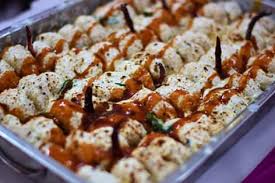
- The contrast of textures: soft vadas, creamy yogurt, crunchy garnishes, and spicy potatoes.
- The blend of flavors: sweet, tangy, spicy, and savory in one bite.
- It’s affordable, filling, and satisfying, making it a street food favorite for all ages.
- Dahibara Aloodum captures the essence of Odia culinary tradition—simple ingredients, skillful preparation, and balanced taste.
6. Fun Facts
- Some vendors serve hundreds of plates per day, especially during festivals.
- It’s considered a “must-try” Odia street food for anyone visiting the state.
- Dahibara Aloodum is so beloved that some stalls in Bhubaneswar and Cuttack have been running for over 50 years, keeping family recipes alive.
In short, Dahibara Aloodum is the perfect representation of Odisha’s street food culture: comforting, flavorful, and unforgettable. Every bite tells a story of tradition, craftsmanship, and local love for food.